Blogs
October 27, 2026
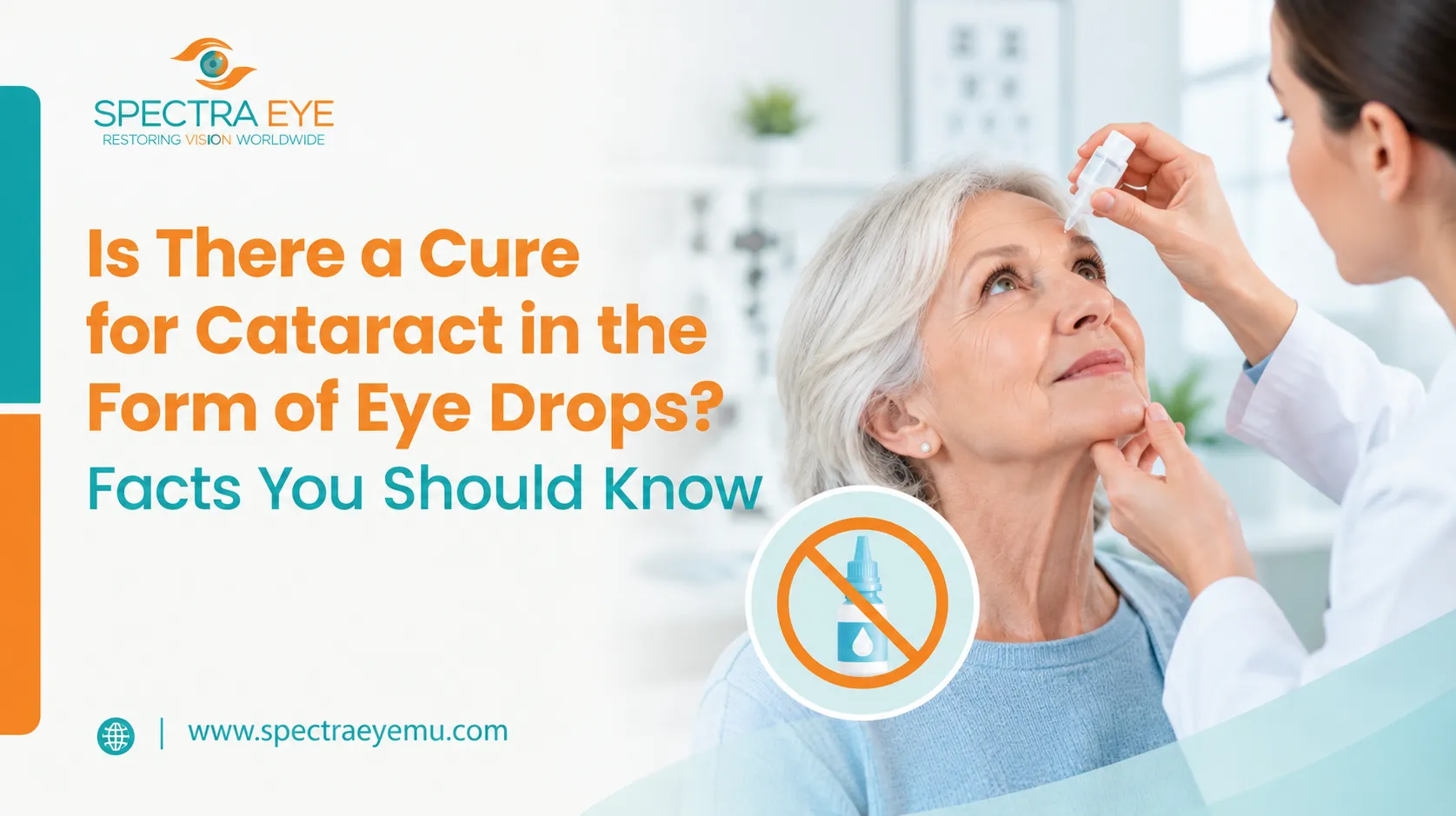
Can Cataract Be Cured by Eye Drops?
Cataracts are a very common eye problem that may gradually impair your vision and make it more difficult to do activities like reading, driving, and seeing faces. With so many people seeking a cure that does not involve surgery, an important question is whether or not eye drops can help cure cataracts.
The answer at the moment is no – there are no scientifically proven eye drops that will remove the cataract or restore the clarity of the lens. The current treatment for cataract removal consists of a procedure called cataract surgery, which involves the replacement of a cloudy lens with an artificial intraocular lens (IOL).
Here we will know how cataracts develop, Whether eye drops will help or not, and when to see an eye specialist.
What Is a Cataract?
A cataract is formed when the lens of your eye becomes cloudy. This lens normally brings light onto the retina which helps you see clearly. The cloudiness caused by the lens makes it less able to transmit light and this leads to blurred or hazy vision.
Cataract is frequent in older people, but can also be caused by eye injuries, some medical conditions and the use of certain steroid medicines for a long time.
Some Common Cataract Symptoms Are:
- Difficulty focusing, or seeing things clearly.
- Trouble seeing well at night.
- More sensitivity to intense light and glare.
- Halos around lights.
- Faded or less saturated colours.
- Regularly changing eyeglass prescriptions.
If you experience these symptoms, see an ophthalmologist for a thorough eye exam.
Can Cataract Be Cured by Eye Drops?
No, there's currently no cure of cataracts from eye drops. There is not enough scientific evidence that drops can remove an existing cataract, though some products advertise that they are able to dissolve the cataract and/or improve vision without surgery.
In cataract, the eye's natural lens is affected by changes to the proteins and structure. There is no reliable way to reverse the cloudiness of the lens if it becomes cloudy with the available medications, and eye drops.
Other eye drops may be prescribed to treat other eye diseases and to help with certain symptoms; they do not cure a cataract. Using unproven products may also delay an appropriate eye examination and treatment.
If you want to follow the advice provided here, speak to a qualified eye specialist before using any product that claims to cure your cataract.
Do Cataract Eye Drops Work in the Early Stages?
Early-stage cataracts can have fairly good vision. That can make it easy to use eyewash or other treatments to slow the development of the condition.
But at this time there are no known eye drops that are effective at reversing cataracts or definitely preventing them from worsening.
In some cases, cataract surgery may not be immediately needed if the cataract is not severe and doesn't interfere with your daily life. Your ophthalmologist may recommend regular eye exams to keep track of any changes in your vision.
While you wait, there are some things you can do to help you control your symptoms:
- Get New Glasses: If prescription changes cause blurriness, new glasses will yield temporary improvement.
- Brighten Up: Reading and other close work will be easier with brighter lights.
- Wear Anti-Glare Sunglasses: Anti-glare sunglasses help shield your eyes from the sun's damaging UV rays and minimise discomfort due to sun glare.
- Have Regular Eye Checks: Eye exams are regular to allow your doctor to keep an eye on your cataract and talk about what treatment options are available.
These can help you cope with vision problems, but do not treat cataracts.
What Is the Most Effective Treatment for Cataracts?
When you have an existing cataract, the only treatment is cataract surgery. It's usually recognized in the event that cloudy vision starts to make it troublesome to read, drive, work, or view TV.
In cataract surgery, the cloudy natural lens is removed and replaced with an intraocular lens (IOLTA).
It is typically done under modern surgical methods and with a protocol that enables a patient to go home on the same day, depending on the patient's condition.
What Are the Benefits of Cataract Surgery?
When the cataract is causing the patient to have vision problems, the surgery can have several benefits:
- Better Sight: When the lens becomes cloudy due to cataract, the lens can be removed and sight will improve.
- Improved Daily Life Functioning: Reading, face recognition, etc. may be easier.
- Better Visual Comfort: Glare and other visual problems due to cataract may improve.
In some instances, the amount of glasses post surgery may be reduced as it is influenced by the type of artificial lens that is used.
Results will vary based on the overall health of the eye and the type of intraocular lens (IOLTA) used and whether the patient has other eye diseases. Your doctor who specializes in eye care will be able to discuss the potential benefits and risks of the procedure before surgery.
Is Cataract Surgery Necessary Immediately?
Not all people with cataracts require surgery. Your doctor may recommend monitoring your condition if your vision is still good and you are not being affected by the condition on a day-to-day basis.
But, don't dismiss the escalation of symptoms. When you need to have cataract treatment, consult your eye specialist if you are having difficulty as a result of your cataracts.
The decision to have surgery will depend on the severity of your symptoms, the type of vision you require, the overall health of your eyes, and the results of your eye exam.
Not all patients need to have surgery at any point. Your eye specialist can assist to decide when is the best time for you.
Can Cataracts Be Prevented Naturally?
There is no guaranteed way to prevent all cataracts, especially for those of an old age. But some healthy living habits can promote overall eye health and minimise avoidable risks.
Here are some steps to take into account:
- Use sun glasses that block 100% of the sun's rays when outside.
- Avoid smoking.
- Work with your health care professional to control diabetes and other related health issues.
- Use protective eyewear when performing activities which may result in eye injury.
- Get regular eye check-ups especially if you notice vision changes.
A balanced diet and healthy lifestyle is important to maintain good health, it should not be used as a treatment for cataract.
When Should You Consult an Ophthalmologist?
If you have any of the following symptoms, you should get your eyes checked: If you have blurred vision that does not go away; If you have trouble seeing at night; If you have increased amounts of glare; If you keep needing to change your prescription.
An ophthalmologist can examine your eyes, determine whether a cataract is present, assess its severity, and check for other conditions that may affect your vision.
Seek urgent medical attention if you experience sudden vision loss, severe eye pain, or a sudden change in vision. These symptoms are not typical of an uncomplicated cataract and may indicate another eye problem requiring prompt assessment.
Need Expert Advice on Cataract Treatment?
If cataracts are affecting your vision, consult an eye specialist to understand your treatment options. Explore our cataract surgery service to learn more about available treatments and surgical care.
FAQ
No. Currently available eye drops cannot remove an existing cataract. Cataract surgery is the established treatment for removing the cloudy lens.
There are currently no proven medicines that can reverse an existing cataract. Your doctor may prescribe medication for other eye conditions, but these medicines do not remove the cataract itself.
Early-stage cataracts may be monitored if they do not significantly affect daily activities. Updated glasses, better lighting, and regular eye examinations may help manage symptoms, but these measures do not cure the cataract.
Cataract surgery is a commonly performed procedure and generally has favourable outcomes. However, as with any surgery, it carries potential risks. Your ophthalmologist can explain the benefits, risks, and expected recovery based on your individual eye health.
Surgery may be recommended when cataracts interfere with activities such as reading, driving, or working. An ophthalmologist will assess your vision and discuss whether surgery is appropriate.